
istockphoto / anatoliycherkas
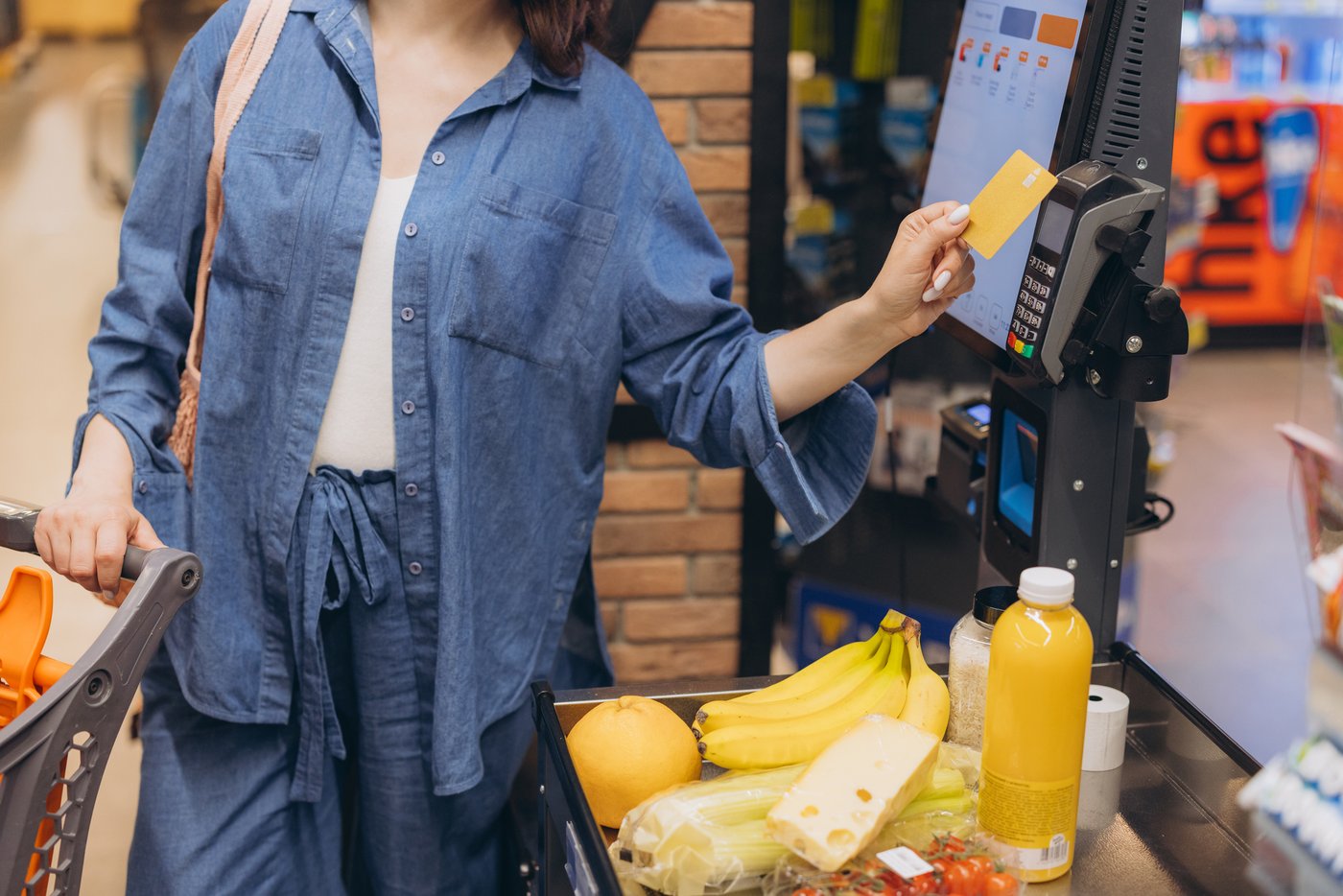
Self-checkout scanners are ubiquitous in retail stores today. Many retailers actively encourage shoppers to use them, seeking a means to reduce their own labor costs and create more efficient checkout operations. But such efficiency has an unintended, and decidedly inefficient, consequence: It appears to encourage retail theft.
According to one recent survey, more than one-quarter of all U.S. consumers admit to intentionally stealing items during self-checkout. Millennials were the most likely generational cohort to admit to such theft, at more than 40 percent of respondents. Right behind them, more than one-third of Gen Z respondents acknowledged such behaviors. In a stark contrast though, virtually no Baby Boomers indicated they had stolen while checking out on their own.
Explanations for these generational differences are varied. Baby Boomers might argue that they are simply an inherently more honest generation, but others propose that they actually are less likely to admit to wrongdoing, out of a sense of fear or pride. Yet another explanation suggests that older consumers are less comfortable with self-checkout, so they simply don’t use it, when given the choice. According to survey respondents though, a far more practical, economic rationale may be central: The self-admitted thieves committed their crimes out of financial necessity, reinforced by drastically higher prices on most consumer goods, which they perceived as deeply unfair. Another form of perceived unfairness, also cited by survey respondents, involved the task shift, such that self-checkout makes shoppers responsible for performing labor that previously was provided by retailers. For these consumers, the stolen items represent a sort of compensation for their time and effort.
Yet such economic justifications conflict with findings that consider consumers’ income levels. Forty percent of shoppers whose households earn annual high incomes (i.e., more than US$100,000) indicated occasional theft, whereas less than 20 percent of consumers in the lowest income bracket (i.e., combined households that earn less than US$30,000) do so. Whether such trends reflect reality or biased survey results, they raise challenging questions when it comes to identifying who is stealing, and why.
Those questions continue to swirl as retailers report increasing rates of such incidents. In response, some supermarkets have removed self-checkout altogether, including most U.S. ALDI stores. Others instead have imposed stricter regulations and more efficient monitoring of the checkout areas. For example, in Walmart’s “hosted” checkout areas, customers partner with an employee to scan their purchases. At Target, customers may only use self-checkout if their baskets contain 10 items or fewer. In parallel, some legislative bodies are considering implementing rules, such as the New York City Council’s proposal to limit automated self-checkout uses to purchases of no more than 15 items, while also requiring retailers to assign a set number of employees to oversee the areas.
Such moves represent understandable responses to a serious problem, but just as was the case for the initial introduction of self-checkout options, the solution creates some unintended and difficult consequences. In particular, many consumers express strong preferences for self-checkout, due to the convenience it offers. (Their preference also might arise because they want to steal things, but that motivation is not something most people would admit to.) Customer retention and satisfaction rates, and even willingness to patronize a retailer, might decline if they face greater restrictions on their checkout options. Retailers must weigh the potential profit losses associated with the risk of theft against the potential revenue gains they could obtain from monitoring checkouts more closely. Such calculations also need to take into account the costs of rehiring more employees to monitor the transactions.
Discussion Questions
- Do you steal while doing self-checkout? Why or why not?
- Can you think of any other solutions that might mitigate the risk of theft during self-checkout, without inconveniencing customers or increasing labor costs?
Sources: Andrew Dorn, “More than 1 in 4 Self-Checkout Shoppers Admit They’ve Stolen: Survey,” The Hill, December 6, 2025; Gustavo Atencio Flores, “ALDI Is Making Major Changes at Some Stores, Reports Say,” MassLive, September 5, 2025; Henry Rosoff, “15 Items or Less: NYC Weighs Self-Checkout Changes,” PIX11, March 17, 2026.
You must be logged in to post a comment.